Try calling a business contact today. It rings out. People rarely answer numbers they do not recognize, and many do not answer the ones they do.
So you send an email. It lands in an inbox with hundreds of unread messages—or in spam. You may never know which.
Then you consider sending a text. That can feel less like business development and more like an intrusion.
Phone, email, and text still have a place. But every channel we rely on has become crowded, filtered, or easier to ignore.
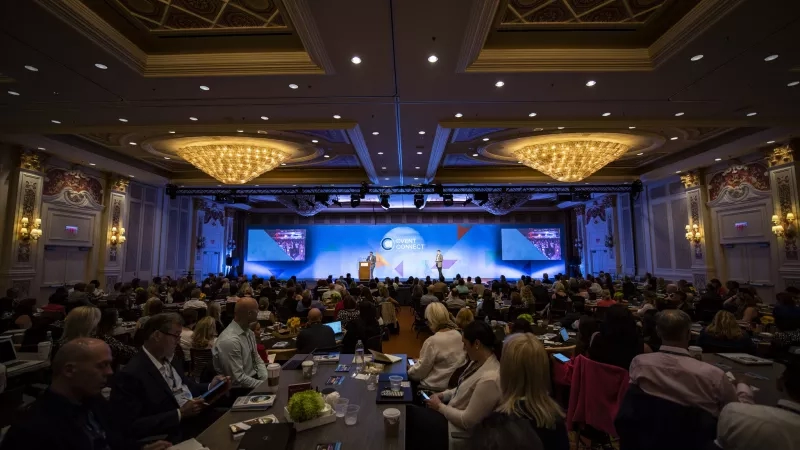
One channel still works: the room.
Why do in-person events still matter?
When you are standing in front of someone, there is no spam filter. There is no voicemail. There is no “seen” without a reply.
You shake a hand, ask a question, and hear the answer. In five minutes, you may learn more than a month of follow-up emails would tell you.
That happened repeatedly at Connect Marketplace in Tampa. Conversations with event professionals quickly revealed three concerns: unreliable virtual production, a cautious return to hybrid events, and closer scrutiny of AV quotes.
Those were not responses to a formal survey. They came from people standing together and talking honestly about what they were experiencing.
That is the value of the room.
The room can also be virtual
The room does not always have to be a conference ballroom.
Every week, the AI Marketing Roundtable brings marketing professionals together on Zoom to discuss new tools, compare experiences, and ask questions about what is—and is not—working.
The technology makes the meeting possible, but the value comes from the people. Participants can ask a follow-up question, explain a problem, or share something they tested that week. It is a live conversation, not another piece of content competing for attention.
A successful virtual event should create that same sense of presence. People should feel that they are part of the room, not watching it from outside.
What this means for associations and nonprofits
For associations and nonprofits, events are more than another marketing channel. They are where members experience the value of belonging.
A conference, leadership forum, webinar, or recurring roundtable can help an organization educate its audience, strengthen relationships, hear what members need, and create connections that continue after the event ends.
When you host the room, you set the agenda. You bring the right people together. Most importantly, you give them a reason to stop scrolling and start talking.
Digital communication is not going away. But when you need attention, trust, and an honest conversation, there is still no substitute for getting the right people into the same room.
Planning an event people will want to join? Talk with Jumpwire Media about producing an in-person, virtual, or hybrid experience that makes the room worth showing up for.
Frequently Asked Questions
Why are live events effective for associations?
Live events let members learn, ask questions, meet peers, and experience the value of the organization directly.
Can virtual events create real connections?
Yes. Virtual events create meaningful connections when they encourage live conversation and participation instead of relying entirely on presentations.